 480-824-7778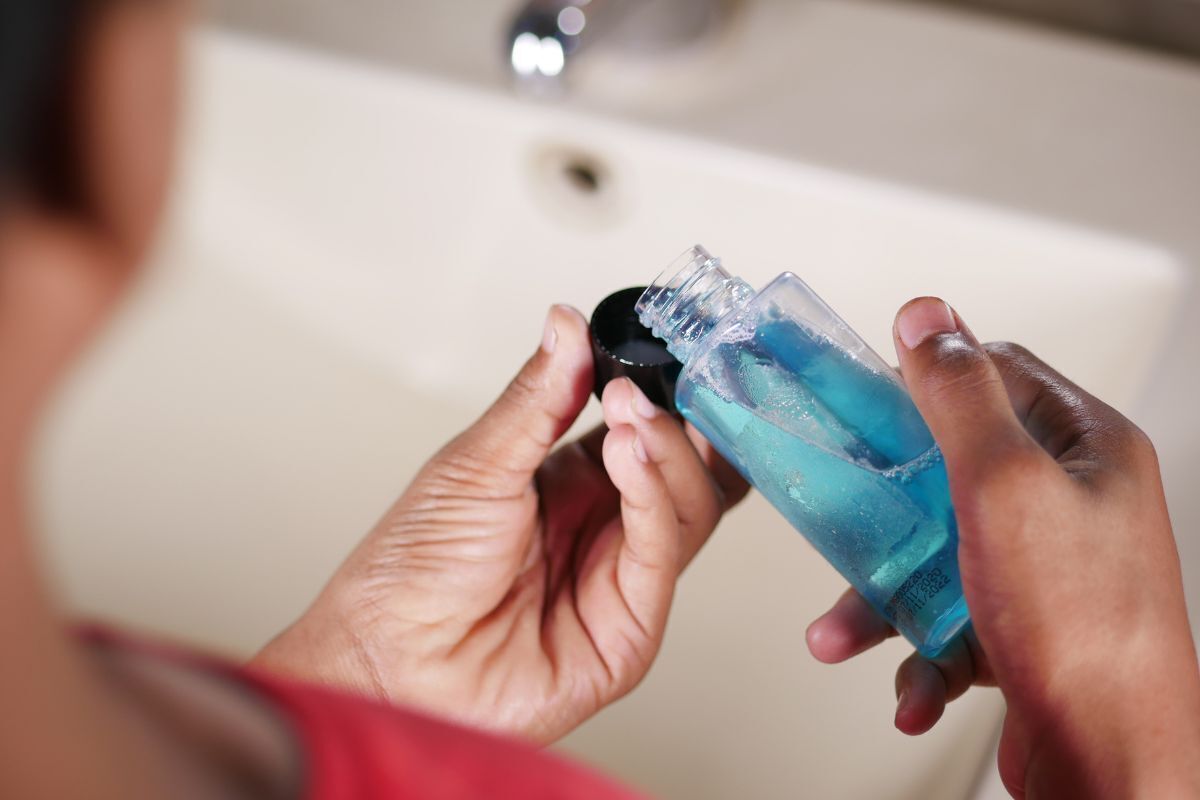
A fresh, clean mouth can make your whole day feel better—but when you use mouthwash matters just as much as using it. If you reach for mouthwash immediately after brushing, you may be washing away some of the benefits of your toothpaste instead of getting the most from your daily routine.
The good news? You do not need a complicated routine to make mouthwash work for you. Choosing the right time, using the right type, and following a few simple habits can help support healthier teeth and gums. If you are unsure which products belong in your routine, a general dentist can help you choose an approach based on your individual oral health needs.
When Is the Best Time to Use Mouthwash?
For many people, using mouthwash at a separate time from brushing is a practical choice. This helps prevent the rinse from washing away fluoride left behind by fluoride toothpaste.
A simple routine may look like this:
- Brush your teeth with fluoride toothpaste.
- Spit out the excess toothpaste rather than rinsing immediately with water.
- Use mouthwash at another point in the day, such as after lunch.
- Follow the instructions on the mouthwash label.
- Avoid eating or drinking immediately afterward if the product directions recommend doing so.
Using mouthwash after a meal can also be convenient when brushing is not practical, particularly during a busy workday in Chandler.
Morning or Night: Which Is Better?
There is no universal rule that says everyone must use mouthwash in the morning or at night. The best timing depends on the type of mouthwash and your oral health goals.
If you use a fluoride mouthwash, using it at a different time from brushing may help you get more value from both products. An antibacterial or therapeutic rinse may be recommended for specific concerns involving plaque, gums, or other oral health needs.
For personalized guidance, your Chandler dentist can determine whether mouthwash should be part of your routine and recommend a product that fits your needs.
Should You Use Mouthwash Before or After Brushing?
This is where many people get confused.
If you use mouthwash immediately after brushing, the rinse may dilute or remove some of the concentrated fluoride from your toothpaste. For that reason, many dental professionals recommend not rinsing with mouthwash immediately after brushing.
Instead, consider using mouthwash at another convenient time during the day.
For example, you could brush in the morning, use mouthwash after lunch, and brush again before bed. The important thing is consistency and following the instructions for your specific product.
Does Mouthwash Replace Brushing or Flossing?
No. Mouthwash is an addition to your oral hygiene routine—not a replacement for brushing and cleaning between your teeth.
A strong daily routine includes:
- Brushing twice a day with fluoride toothpaste
- Cleaning between teeth with floss or another recommended interdental cleaner
- Using mouthwash when appropriate
- Limiting frequent sugary snacks and drinks
- Keeping regular dental appointments
Think of mouthwash as an extra tool rather than the foundation of your routine.
How to Choose the Right Mouthwash
Walking into a store can leave you staring at an entire shelf of rinses with no idea which one to choose. Alcohol-free, fluoride, antibacterial, whitening—the options can feel overwhelming.
The right product depends on what you are trying to accomplish.
For cavity prevention: A fluoride rinse may be helpful for some people.
For gum concerns: A therapeutic rinse may be recommended depending on your oral health.
For dry mouth: An alcohol-free formula may be more comfortable.
For everyday freshness: A basic rinse can provide a clean feeling, but it should not be considered a substitute for brushing and flossing.
If you have sensitive teeth, frequent cavities, gum problems, dry mouth, or other concerns, ask your dental team before adding a therapeutic mouthwash to your routine.
A Simple Chandler-Friendly Oral Care Routine
Life in Chandler can be busy, whether you are heading to work, taking the kids to school, or spending an afternoon around downtown Chandler and the East Valley. Your oral hygiene routine should be easy enough to maintain on busy days.
Try keeping your routine simple:
Morning: Brush with fluoride toothpaste and clean between your teeth.
During the day: Use mouthwash at a convenient time away from brushing if it is appropriate for you.
Evening: Brush thoroughly before bed and clean between your teeth.
Regularly: Visit a dental office in Chandler, AZ for preventive care and professional guidance.
Small habits performed consistently can make a meaningful difference over time.
When Should You Talk With a Dentist?
Mouthwash cannot correct every dental problem. If you regularly experience bleeding gums, persistent bad breath, tooth sensitivity, mouth sores, or pain, it is worth discussing these symptoms with a dental professional rather than simply trying a stronger rinse.
A dental evaluation can help identify what is causing the problem and whether changes to your home-care routine could help.
Frequently Asked Questions
Is it okay to use mouthwash every day?
For many people, daily mouthwash can be appropriate when the product is used according to its directions. However, not everyone needs the same type or frequency of use. Your dental professional can make a recommendation based on your oral health.
Should I rinse with water after using mouthwash?
Generally, you should follow the instructions on the product label. Some rinses are designed to remain in contact with your teeth and gums, so rinsing immediately afterward may reduce their intended effect.
Can mouthwash help prevent cavities?
Certain fluoride mouthwashes can provide additional cavity protection. They work alongside brushing with fluoride toothpaste rather than replacing it.
Can I use mouthwash if I have sensitive teeth?
You may be able to, but the type of mouthwash matters. An alcohol-free or sensitivity-focused product may be more comfortable for some people. Ask your dental team before choosing a product if sensitivity is a recurring concern.
What if my breath still smells bad after using mouthwash?
Persistent bad breath may have an underlying cause, such as plaque buildup, gum disease, dry mouth, or another oral health issue. If it continues despite good home care, schedule a dental evaluation.
Make Your Mouthwash Routine Work Smarter
The best oral hygiene routine is not necessarily the one with the most products. It is the one you can follow consistently and that supports your individual dental needs. Using mouthwash at a sensible time, continuing to brush with fluoride toothpaste, cleaning between your teeth, and maintaining regular dental visits can help keep your mouth on track.
If you are looking for personalized preventive dental guidance in the Chandler area, Shumway Dental Care can help you build a practical oral hygiene routine that fits your needs. Schedule an appointment today and take the next step toward healthier teeth and gums.