 480-824-7778
 Skip to main content
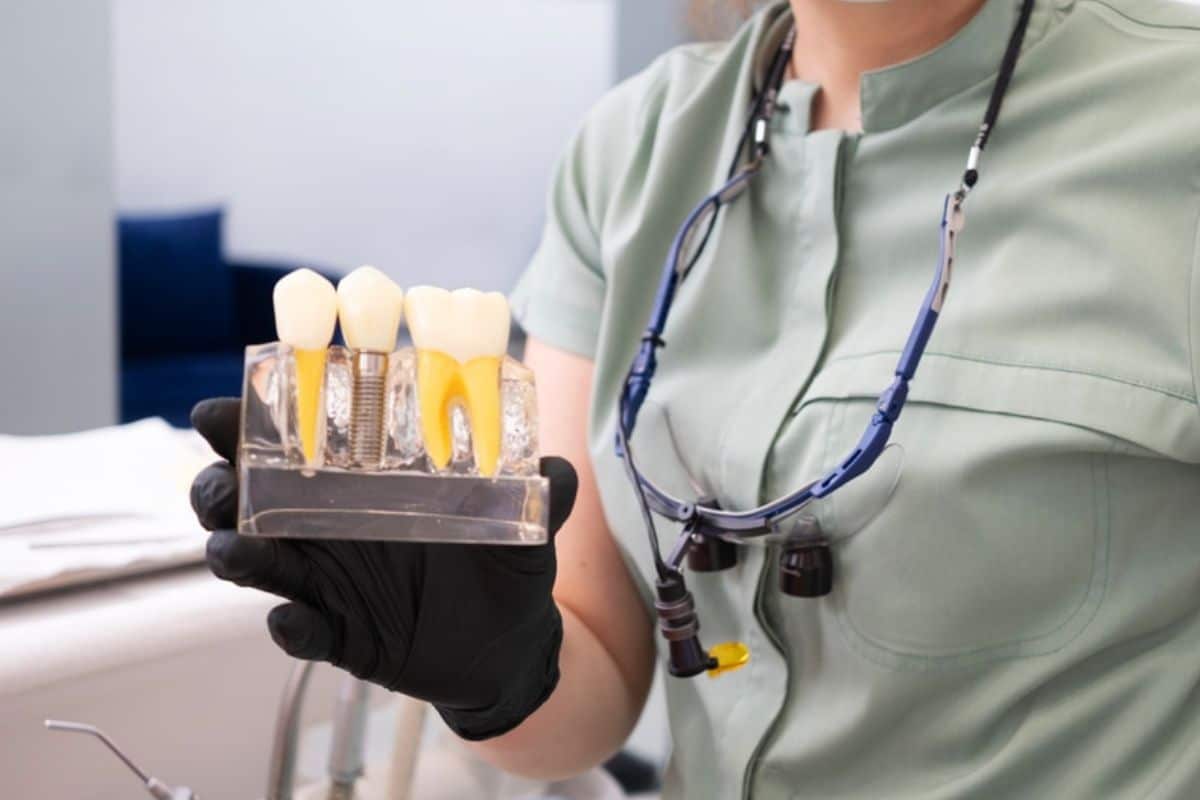
Dental implants are a fantastic solution for replacing missing teeth, offering durability, functionality, and a natural appearance. However, maintaining them properly is essential to ensure their longevity. Many patients at Shumway Dental Care Chandler ask whether implants require special cleaning tools. The short answer? While implants don’t require anything overly complicated, proper care is crucial to prevent complications like peri-implantitis (inflammation around the implant). If you’re considering dental implants Chandler, here’s everything you need to know about their maintenance.
Why Proper Cleaning is Important for Dental Implants
Even though dental implants are not susceptible to cavities like natural teeth, the surrounding gum tissue and bone need to stay healthy to support them. Plaque buildup can lead to gum inflammation, infection, and even implant failure. This is why maintaining excellent oral hygiene is just as important for implants as it is for natural teeth.
Essential Tools for Cleaning Dental Implants
To keep your dental implants in great condition, using the right cleaning tools and techniques is key. Here are some recommended tools:
1. Soft-Bristle Toothbrush
A soft-bristle toothbrush, whether manual or electric, is ideal for cleaning dental implants. Hard bristles can be too abrasive and may cause damage to the gums or the implant surface. Electric toothbrushes with gentle modes can be particularly effective in removing plaque.
2. Non-Abrasive Toothpaste
Some regular toothpastes contain abrasive ingredients that can scratch the surface of your dental implant. A low-abrasion, fluoride toothpaste is recommended to keep implants and surrounding teeth clean without causing unnecessary wear.
3. Interdental Brushes
For patients with dental implants, interdental brushes (also called proxy brushes) are excellent for cleaning the spaces between the implant and adjacent teeth. Look for brushes with nylon-coated wires to avoid scratching the implant surface.
4. Water Flosser (Oral Irrigator)
A water flosser is an effective tool for implant care, helping to flush out plaque and food particles from hard-to-reach areas. It is particularly beneficial for individuals with multiple implants or those who struggle with traditional flossing.
5. Implant-Safe Dental Floss
Using a non-wax, implant-friendly floss or super floss helps clean under and around the implant crown. Flossing daily prevents plaque buildup that could lead to inflammation around the implant.
6. Antimicrobial Mouthwash
An alcohol-free, antimicrobial mouthwash can help reduce bacteria and keep your gums healthy. Alcohol-based mouthwashes can cause dryness, which may not be ideal for oral health.
Tips for Maintaining Your Dental Implants
Beyond using the right cleaning tools, follow these essential oral hygiene tips to ensure your Dental Implants in Chandler remain in top condition:
-
Brush twice a day to remove plaque and bacteria.
-
Floss daily to clean around the implant and gum line.
-
Visit a dentist for professional cleanings and check-ups at least twice a year.
-
Avoid smoking, as it can increase the risk of implant failure.
-
Follow a healthy diet to promote strong gums and overall oral health.
Why Choose Us for Your Dental Implants?
If you’re considering dental implants, trust the experienced team at Shumway Dental Care Chandler. Our skilled dentists provide expert implant placement and personalized aftercare guidance to ensure the longevity of your new smile. Proper cleaning and maintenance will help your implants last a lifetime. Schedule an appointment with a trusted dentist in Chandler today to discuss your dental implant needs and receive the best care for your oral health.
FAQ
1. Do dental implants require special cleaning tools?
Dental implants don’t always require special tools, but using implant-friendly products like soft-bristle toothbrushes, interdental brushes, or water flossers can improve cleaning and help maintain gum health.
2. Can I use regular toothpaste on dental implants?
Yes, but it’s best to use non-abrasive toothpaste. Abrasive formulas can scratch the implant surface or crown, so choosing a gentle toothpaste helps protect your restoration.
3. Is flossing different with dental implants?
Flossing around implants is important and may require special floss, such as implant-specific floss or unwaxed tape, to clean effectively around the implant and under the gumline.
4. Are water flossers good for dental implants?
Yes, water flossers are highly recommended. They help remove plaque and debris around implants and are especially useful for hard-to-reach areas.
5. How often should I clean my dental implants?
You should clean your dental implants daily, just like natural teeth. Brushing twice a day, flossing once daily, and regular dental checkups are essential for long-term success.