
 480-824-7778
 Skip to main content
Are you tired of constantly waking up feeling groggy and exhausted because of your partner’s loud snoring? Sleep apnea is a common condition affecting millions worldwide, causing disrupted sleep patterns and even health complications. However, before you resort to expensive medical treatments or surgery, simple yet effective home remedies can help relieve the symptoms. In this post, we’ll cover the top five natural solutions for sleeping better and
saying goodbye to snoring once and for all!
What is Sleep Apnea?
A good night’s sleep is important for overall health and well-being. But for people with sleep apnea, a common disorder that disrupts sleep, a good night’s sleep can be hard to come by.
Sleep apnea occurs when breathing is interrupted during sleep. This can happen when the throat muscles relax and collapse, blocking the airway. It can also occur if the brain doesn’t signal to breathe muscles properly.
There are two types of sleep apnea: central and obstructive. Central sleep apnea is caused by a problem with how the brain regulates breathing. Obstructive sleep apnea is more common and is caused by a blockage in the airway, usually due to collapsible Throat tissues.
Sleep apnea can cause several problems, including daytime fatigue, irritability, and difficulty concentrating. It can also lead to serious health problems like high blood pressure, heart disease, and stroke.
If you have sleep apnea, talk to your doctor. Some treatments can help you get the restful sleep you need.
Types of Sleep Apnea
There are three primary types of sleep apnea: obstructive, central, and mixed. Each class is characterized by different mechanisms that cause airflow interruption during sleep.
- Obstructive sleep apnea (OSA) is the most common type. It occurs when the muscles in the back of your throat relax and collapse, blocking your airway.
- Central sleep apnea (CSA) is less common than OSA and occurs when your brain fails to send proper signals to the muscles that control your breathing.
- Mixed sleep apnea is a combination of both OSA and CSA.
Pros and Cons of Home Remedies for Sleep Apnea
Snoring can be a symptom of sleep apnea, a serious condition that causes interruptions in your breathing during sleep. If you snore and have other sleep apnea symptoms, you must see your doctor for a diagnosis and treatment.
Some home remedies may help relieve your symptoms and improve your sleep quality. Some people find relief with herbal teas, essential oils, or chin straps. Others find that lifestyle changes, such as losing weight or sleeping on their side, help reduce or eliminate their snoring.
Suppose you’re considering trying a home remedy for your sleep apnea; weighing the pros and cons before you start is important. Here are some things to consider:
Pros
- Home remedies are usually safe and gentle on the body.
- They may be less expensive than medical treatments.
- They can be easily accessed and don’t require a prescription.
- Some home remedies may provide other health benefits besides treating sleep apnea.
Cons
- Often, no scientific evidence supports the claims about home remedies for sleep apnea.
- They may not be as effective as medical treatments.
- They may have side effects or interact with other medications you’re taking.
- Choosing a home remedy over medical treatment could delay diagnosing and treating a serious condition like sleep apnea.
Home Remedies for Sleep Apnea?
Are you one of the many people who suffer from sleep apnea? If so, you know how frustrating it can be to get a good night’s sleep. Luckily, you can do a few things at home to help ease your symptoms and get some much-needed rest.
One of the best home remedies for sleep apnea is to lose weight. If you are overweight, excess fat around your neck can pressure your airway and make breathing difficult. Even losing just a few pounds can greatly affect your symptoms.
Another great way to ease sleep apnea symptoms is to sleep on your side instead of your back. This can help keep your airway clear and prevent snoring. Also, prop up your head with pillows to help keep your airway open while you sleep.
If allergies contribute to your sleep apnea, try using an over-the-counter antihistamine or nasal spray to help keep them under control. You should also avoid foods that trigger your allergies, such as dairy, wheat, or soy.
Sometimes, a simple lifestyle change can make a big difference in sleep apnea symptoms. For example, quitting smoking can help improve your symptoms if you smoke cigarettes. Alcohol and caffeine can also worsen sleep apnea, so cutting back on these substances may help.
If lifestyle changes and home remedies don’t seem to be helping enough,
Tips for Making Home Remedies Work
If you snore, you are not alone. Approximately 37 million Americans snore regularly, and 25 percent of American adults say they snore occasionally. Snoring occurs when air doesn’t flow smoothly through the nose and throat during sleep. This can cause the tissues in the back of the throat to vibrate, producing the sound of snoring. Although snoring is often considered a nuisance, it can be a sign of a more serious condition called sleep apnea. Sleep apnea is a sleep disorder that occurs when breathing is interrupted during sleep. It can cause loud snoring and daytime fatigue. If you think you may have sleep apnea, it’s important to see a doctor for diagnosis and treatment. However, some home remedies may help reduce or eliminate snoring.
Before trying any home remedy for snoring, it’s important to consult with your doctor to ensure it won’t interfere with any underlying medical conditions or medications you are taking. With your doctor’s OK, give these tips a try:
- Sleep on your side instead of your back. Sleeping on your side can help prevent the tissues in the back of your throat from collapsing and causing obstruction
- Lose weight if you are overweight. Excess weight can contribute to increased tissue in the throat
- Clear nasal passages before bedtime. Use saline spray or neti pot to flush out irritants
When to Consider Alternative Treatment Options
You may have sleep apnea if you or your partner snores loudly and both have difficulty sleeping. This is a serious condition that can cause health problems. If you have sleep apnea, see your doctor. They can refer you to a sleep specialist for diagnosis and treatment.
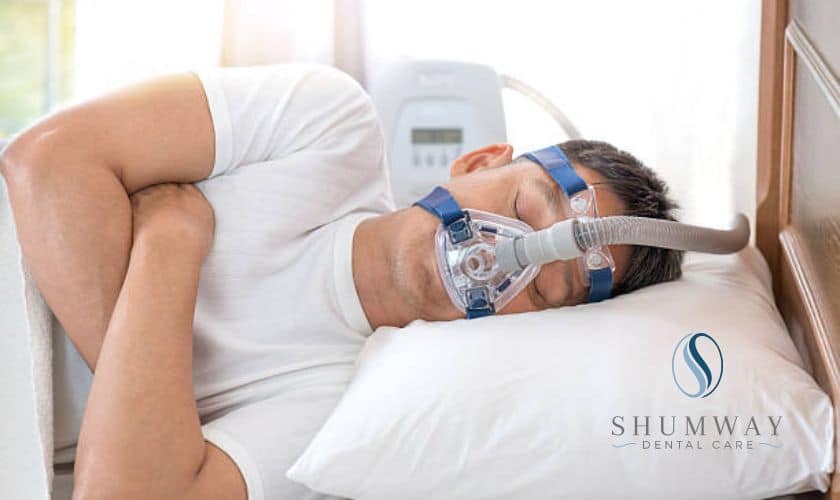
If you are diagnosed with sleep apnea, several treatment options are available. The most common treatment is CPAP (continuous positive airway pressure). This involves using a machine to pump air through a mask you wear while sleeping. CPAP keeps your airway open and prevents snoring. It is usually the first treatment option recommended for sleep apnea.
However, CPAP can be uncomfortable, and some people find it difficult to use. If you are struggling to use CPAP, or if it is not working well for you, alternative treatments are available. These include:
- Oral appliances: These devices you wear in your mouth while sleeping. They help keep your airway open by bringing your lower jaw forward or holding your tongue in place.
- Surgery: There are several surgical options available to treat sleep apnea, including palate surgery, uvulopalatopharyngoplasty (UPPP), tonsillectomy and adenoidectomy, maxillomandibular advancement surgery (MMA), and tracheostomy.
The Bottom Line
With the right natural remedies and lifestyle adjustments, you can minimize snoring and get better sleep quality. We hope these five home remedies for sleep apnea have given you some ideas on nipping your snoring in the bud! Remember to consult your doctor before embarking on any new remedy or treatment program, as individuals may respond differently depending on their overall health condition. Here’s wishing you restful nights free from snoring disturbances!
FAQs
What is sleep apnea?
Sleep apnea is when a person experiences pauses in breathing or very shallow breaths while asleep. These breathing pauses can last from a few seconds to minutes and often happen several times throughout the night.
What are the symptoms of sleep apnea?
The most common symptom of sleep apnea is loud snoring. However, not everyone who snores has sleep apnea. Other signs and symptoms include:
- Pauses in breathing during sleep
- Gasping for air during sleep
- Waking up frequently during the night
- Morning headaches
- Memory or learning problems
- Fatigue during the day
How is sleep apnea diagnosed?
A doctor will ask about your medical history and symptoms and may order a sleep study to diagnose sleep apnea. A sleep study involves spending a night at a sleep center to monitor your sleeping patterns.