 480-824-7778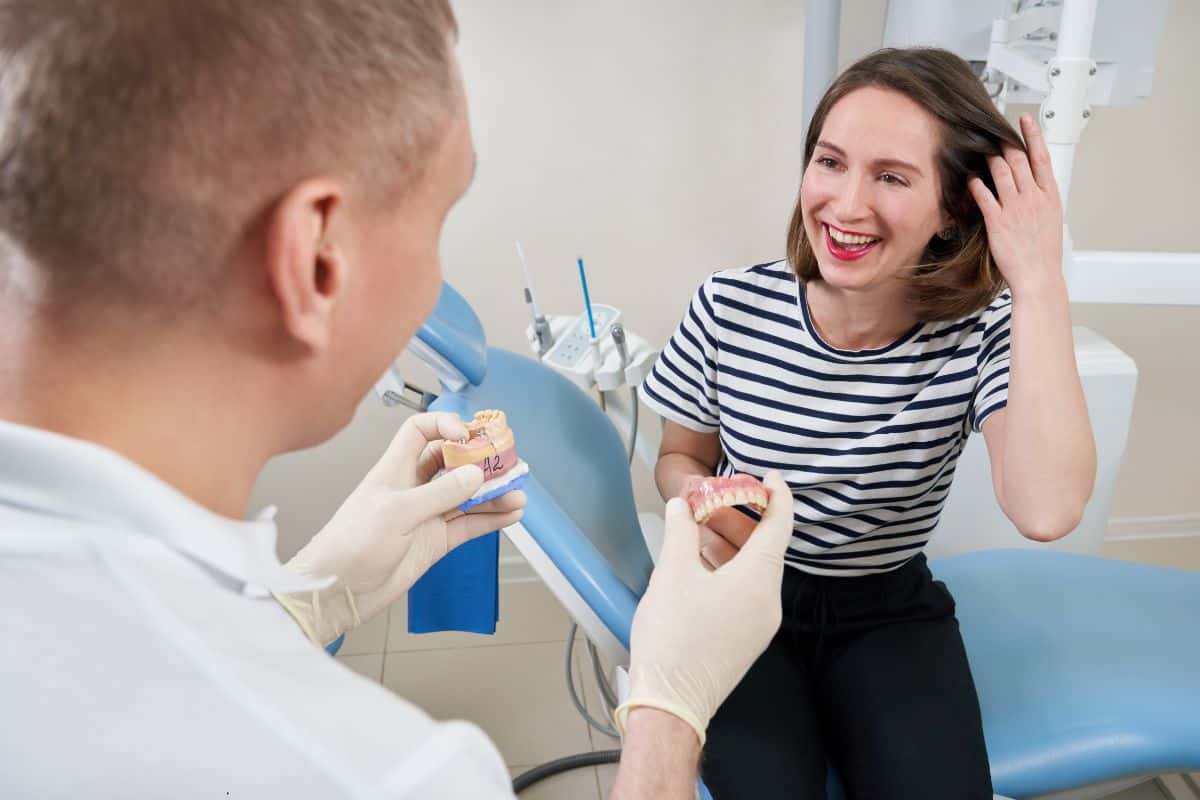
When faced with the need to replace missing teeth, patients in Chandler often find themselves choosing between dental implants and dentures. Both options offer solutions to restore your smile and functionality, but they come with distinct advantages and considerations. In this blog, we’ll explore the key differences between dental implants and dentures to help you make an informed decision about which option might be best for you.
Understanding Dental Implants
What Are Dental Implants?
Dental implants are artificial tooth roots that are surgically placed into the jawbone. They consist of three main components:
- Implant Fixture: A titanium post that is inserted into the jawbone.
- Abutment: A connector piece that sits on top of the implant fixture.
- Dental Crown: A custom-made artificial tooth that attaches to the abutment.
Benefits of Dental Implants
- Durability: Dental implants are designed to be a long-term solution. With proper care, they can last a lifetime.
- Natural Look and Feel: Implants mimic the appearance and function of natural teeth, providing a seamless look and comfortable fit.
- Bone Health: Implants help preserve the jawbone by stimulating bone growth, reducing the risk of bone loss that often occurs with missing teeth.
- Stable and Secure: Unlike dentures, implants do not shift or move, providing stability and confidence in everyday activities.
Considerations for Dental Implants
- Surgical Procedure: The placement of dental implants requires a surgical procedure, which may involve a longer recovery time compared to dentures.
- Cost: Dental implants typically involve a higher upfront cost compared to dentures, although they may be more cost-effective in the long run due to their durability.
Understanding Dentures
What Are Dentures? Dentures are removable appliances designed to replace missing teeth and restore the appearance and function of your smile. There are two main types:
- Complete Dentures: Used when all teeth are missing in either the upper or lower jaw.
- Partial Dentures: Used when some natural teeth remain, filling in the gaps left by missing teeth.
Benefits of Dentures
- Non-Surgical: Dentures do not require surgery, making them a less invasive option for tooth replacement.
- Cost-Effective: Generally, dentures have a lower initial cost compared to dental implants, making them a more affordable option for many patients.
- Quick Solution: Dentures can be fitted relatively quickly, providing immediate restoration of your smile.
Considerations for Dentures
- Comfort and Fit: Dentures may require adjustments and can sometimes feel less secure or comfortable compared to implants. They may also require adhesives to stay in place.
- Bone Loss: Dentures do not address bone loss in the jaw, which can occur over time and may affect the fit and function of the dentures.
- Maintenance: Dentures need to be cleaned and maintained regularly to prevent issues such as staining and bad breath. They also require periodic replacements or adjustments.
Making Your Decision
Consult with a Local Dentist Choosing between dental implants and dentures is a personal decision that depends on your individual needs, preferences, and oral health. Consulting with a local dentist in Chandler can provide you with tailored advice and recommendations based on your specific situation.
Evaluate Your Needs and Preferences Consider factors such as your budget, the health of your jawbone, and your lifestyle. If you’re looking for a long-term solution with a natural feel, dental implants may be the better choice. If you prefer a more affordable, non-surgical option, dentures might be suitable for you.
Conclusion
Both dental implants and dentures offer viable solutions for replacing missing teeth, each with its own set of benefits and considerations. By understanding the differences between these options and consulting with Shumway Dental Care Chandler, you can make an informed decision that best suits your oral health needs and lifestyle. Whether you choose dental implants or dentures, achieving a restored smile and improved oral function is within reach.