
 480-824-7778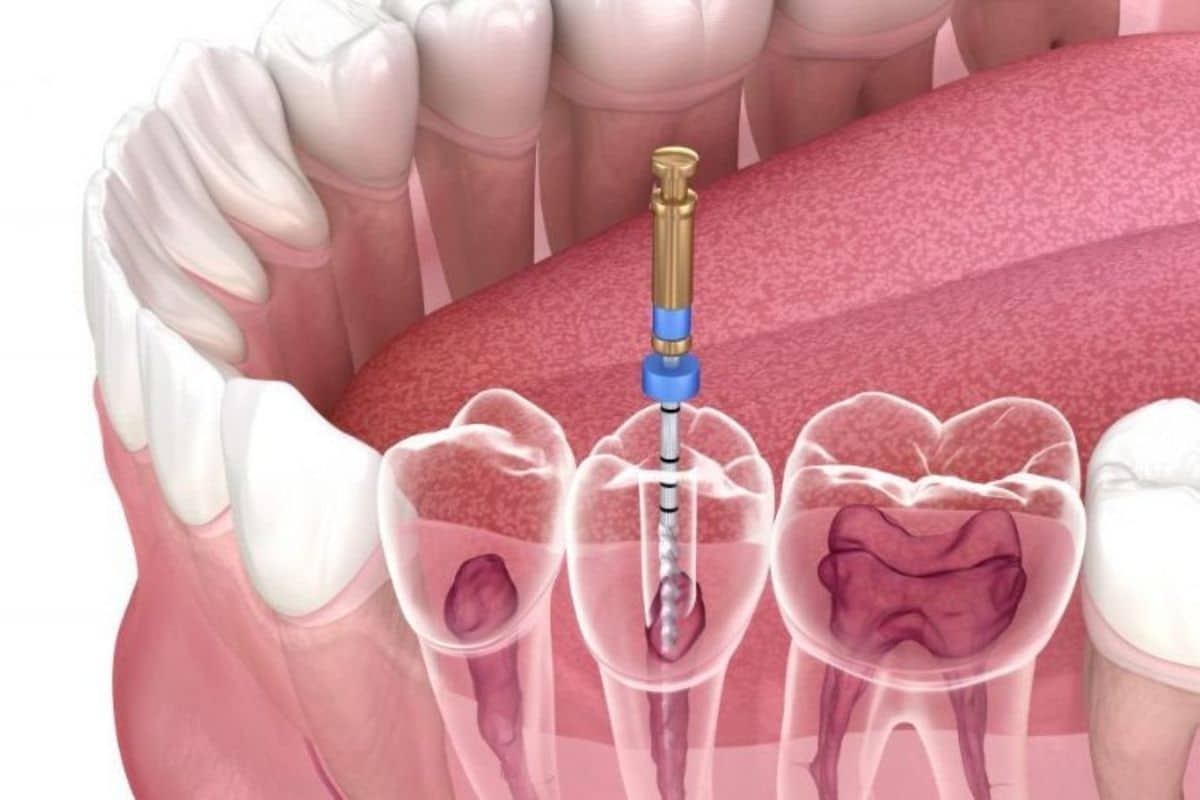
Tooth pain has a way of interrupting everything. Whether it starts as a dull ache during your morning coffee or sudden sensitivity while enjoying dinner in Chandler, dental discomfort can quickly become impossible to ignore. One of the most common concerns patients have after hearing they may need treatment is simple: how long is this going to take?
The good news is that modern dental care has made the process far more comfortable and efficient than many people expect. Today’s procedures are designed to save your natural tooth while helping you get back to your normal routine as quickly as possible. Understanding what happens during treatment can ease anxiety and help you feel more prepared before your appointment.
If you have been searching for trusted care for Root Canals chandler, knowing the timeline and what to expect can make the experience feel much less stressful.
Understanding the Purpose of Treatment
A root canal is performed when the inner portion of the tooth, known as the pulp, becomes infected or inflamed. This can happen because of deep decay, cracks, repeated dental work, or injury to the tooth.
The procedure removes the damaged tissue, cleans the inside of the tooth, and seals it to prevent future infection. The goal is to relieve pain, protect your natural tooth, and restore normal function.
Many patients in Chandler are surprised to learn that root canal treatment is often no more uncomfortable than getting a regular filling thanks to advanced dental technology and modern anesthesia.
How Long Does the Procedure Usually Take?
The exact length of treatment depends on the condition of the tooth and the complexity of the case. In most situations, the procedure can be completed in one or two visits.
Here are a few factors that can affect timing:
- The location of the tooth
- The severity of infection
- The number of roots involved
- Whether swelling or inflammation is present
- If a dental crown is needed afterward
Front teeth generally take less time because they typically have fewer roots. Molars, which are common for chewing, often require more detailed work.
Most appointments last between one and two hours. Your dentist will evaluate the tooth carefully and explain the expected treatment timeline before beginning.
What Happens During the Appointment?
Knowing what to expect can help patients feel more relaxed on the day of treatment.
Examination and Digital Imaging
Your dentist will first examine the affected tooth and take digital X-rays to understand the extent of the infection. This step helps create a personalized treatment plan.
Numbing the Area
Local anesthesia is used to keep the area comfortable throughout the procedure. Many patients say they feel pressure but little to no pain.
Cleaning the Tooth
A small opening is made in the tooth so the infected tissue can be removed. The inside canals are carefully cleaned and disinfected.
Sealing the Tooth
Once the tooth is cleaned, it is sealed to protect against future infection. In some cases, a temporary filling may be placed before a permanent restoration.
Final Restoration
Many teeth need a dental crown afterward to restore strength and appearance. This is especially common for molars that handle heavy chewing pressure.
A trusted Dentist chandler az will guide you through each step so you know exactly what is happening during treatment.
Will Recovery Take Long?
Most patients return to work, school, or daily activities shortly after the appointment. Mild soreness is normal for a few days, especially if the tooth was badly infected before treatment.
You can usually manage temporary discomfort with:
- Over-the-counter pain relief
- Soft foods for the first day
- Avoiding hard chewing on the treated tooth
- Maintaining regular brushing and flossing
If pain becomes severe or swelling continues, it is important to contact your dental office promptly.
Common Signs You May Need Treatment
Many people wait too long before scheduling an appointment because they hope the discomfort will go away on its own. Paying attention to symptoms early can help prevent bigger dental problems.
Watch for signs such as:
- Persistent tooth pain
- Sensitivity to hot or cold temperatures
- Swollen gums
- Tooth discoloration
- Pain when biting down
- A small bump near the gums
If you notice these symptoms, visiting a Dentist in chandler Az as soon as possible can help save the tooth and reduce the need for more extensive treatment later.
Why Chandler Patients Should Not Delay Care
Living in Chandler means busy schedules, family activities, and spending time outdoors year-round. Dental pain can interfere with everything from work meetings to weekend events at local spots like Downtown Chandler or Tumbleweed Park.
Ignoring an infected tooth can lead to:
- Increased pain
- Spread of infection
- Bone damage
- Tooth loss
- More expensive dental treatment later
Early treatment often means a smoother procedure and faster recovery.
Tips for a More Comfortable Experience
Patients often feel nervous before treatment, especially if they have heard outdated stories about root canals. Fortunately, dentistry has changed significantly over the years.
Here are a few helpful ways to feel more comfortable:
- Eat a light meal before your appointment
- Get a good night’s rest beforehand
- Ask questions about the procedure
- Bring headphones or calming music
- Follow aftercare instructions carefully
Choosing an experienced dental team also makes a major difference in your comfort and confidence throughout the process.
Frequently Asked Questions
Is a root canal painful?
Most patients report that the procedure feels similar to receiving a standard filling. Modern anesthesia helps keep the treatment comfortable.
Can treatment be completed in one visit?
Many cases can be completed during a single appointment, though some teeth may require additional visits depending on the infection.
Will I need a crown afterward?
In many situations, yes. A crown helps strengthen and protect the tooth after treatment, especially for back teeth.
How long does healing take?
Most people feel back to normal within a few days. Minor soreness is common but temporary.
Can I drive home after the procedure?
Yes, most patients can safely drive themselves home unless sedation was used during treatment.
Protect Your Smile Before the Pain Gets Worse
Tooth pain rarely improves without professional treatment, and waiting too long can turn a manageable issue into a serious dental emergency. The sooner you address the problem, the easier the process is likely to be.
At Shumway Dental Care, patients receive compassionate care designed to make treatment as comfortable and stress-free as possible. If you are dealing with tooth discomfort or sensitivity, now is the perfect time to schedule an appointment and protect your smile before the problem becomes more severe.