
 480-824-7778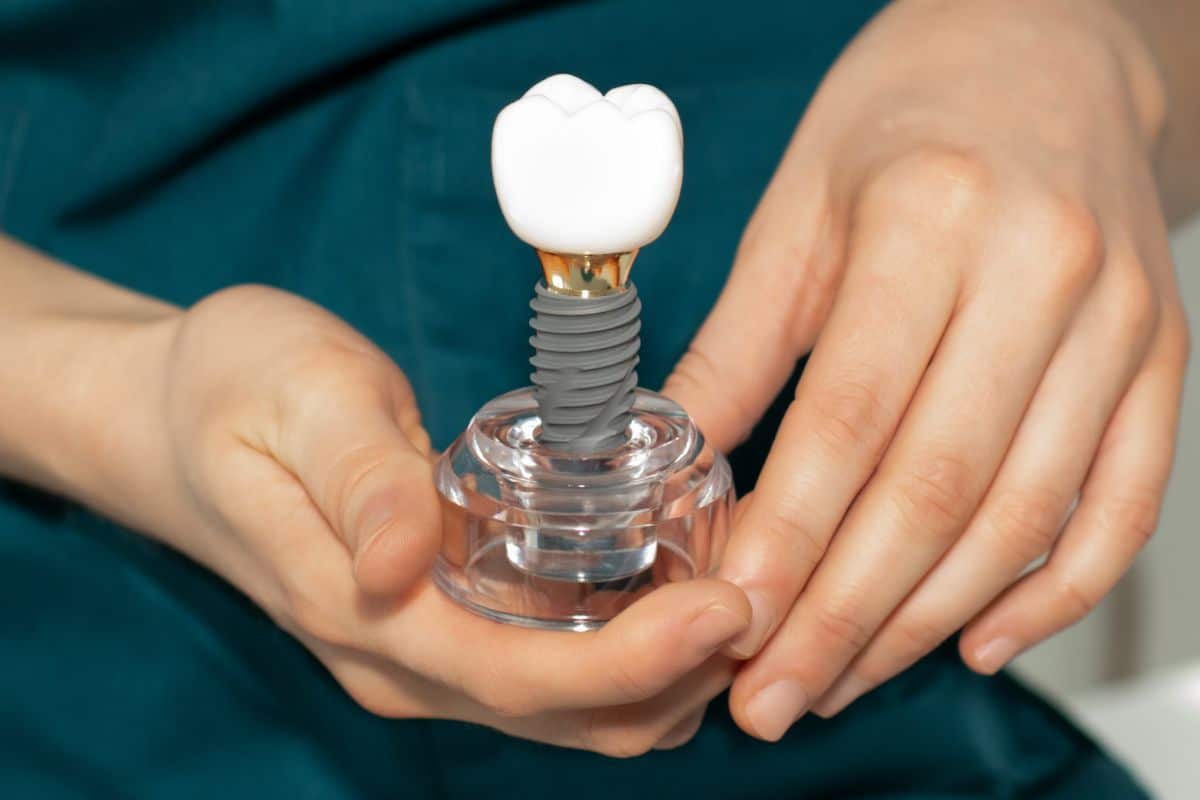
Dental implants help permanently replace missing teeth naturally. Whether you are undergoing the procedure or have already completed it, understanding the healing process can be highly beneficial. Most people want to know how their mouth will feel, what changes are regular, and how long each stage lasts. When you receive dental implants in Chandler, it is normal to feel unsure at first, but having a clear recovery timeline makes the process easier.
This guide explains the full healing path in simple steps. You will learn what is happening in your gums and jaw, how to care for your mouth, and when you can return to your regular daily habits.
Right After the Procedure (First 24 Hours)
The first day marks the beginning of the earliest dental implant healing stages. Your mouth will be sensitive. The swelling may begin to develop slowly and escalate towards the end of the day. This is the body’s natural response.
You can expect:
- Light bleeding that slows down within a few hours
- Slight swelling around the region of the implant
- Soreness when opening the mouth
- A feeling of pressure in the gums
Rest! This is important during this time.
Soft foods can be eaten to protect the area. A cold pack can help reduce swelling. The area should not be touched with the hand or tongue.
Days 2-3: The Early Healing Stages
The swelling will typically reach its peak around day 2 or 3. This is quite normal. Applying a cold pack during the first 48 hours helps. After that, warm compresses may feel more soothing.
Common symptoms at this initial phase are:
- Gums that feel tight or puffy
- Slight skin bruising
- Some discomfort when chewing
- Easy fatigue due to the body’s natural healing process
It’s vital to keep the mouth clean. Rinsing the mouth gently using warm saltwater (as the dentist advises) helps. Brushing must remain gentle and away from the surgical area.
Days 4-7: Adjustment Phase
During this phase, many people notice that the swelling begins to reduce. It becomes easy to eat. Your gums will start to tighten around the implants. This is part of post-implant recovery and shows that your body is healing well.
What you may feel:
- Fewer aches
- Reduced swelling
- A slight itching sensation as the tissues heal
You can now eat soft foods without discomfort. Chew from the other side if you can. The cleaning must continue to care for the gums.
Week 2: Gum Healing Strengthens
By the second week, the gum tissue begins forming a protective seal around the implant. This is an important step. It protects the implant as the bone begins to bond to the post beneath.
You’ll also notice:
- Pink, healthy gum tissue
- Light sensitivity in the region
- Improved comfort when brushing
This is also the time when many individuals return to their usual work schedule. Strenuous physical exercise should be avoided, however, until you get clearance from the dentist.
Weeks 3–6: Bone Integration Starts
This begins the deeper healing phase. Your jawbone begins to integrate with the implant surface. This is known as osseointegration. This allows the implant to be sturdy in the body for many years.
During this period:
- The implant becomes more stable
- Discomfort will continue to diminish
- Consuming more types of food becomes simpler
- Gums continue strengthening
These changes occur silently. Most healthy patients feel normal at the end of this phase.
Months 2–3: Strong Bone Support Forms
The healing timeline for dental implants continues with deeper bonding between the bone and the implant post. You may not feel anything unusual. Inside the bone, slow and steady healing continues.
Your dentist will evaluate the area during the follow-up sessions. This will ensure the body is responding correctly. After the jawbone has typically stabilized, the next procedure follows:
- Placement of the abutment
- Healing of the gum around the abutment
- Final crown taking shape
Every step has been carefully planned to secure the implant and promote good oral health.
Placing the Abutment
The abutment is the connector that retains the crown. Your dentist places it once the implant is secure in the bone. This takes less time to heal than the overall implant procedure.
What to expect:
- Mild gum tenderness
- Little to no swelling
- Usually, a fast recovery in a few days
You should keep the area clean. Your dentist might recommend a soft brush around the abutment.
Final Crown Placement
Once the gum tissue has settled around the abutment, the final crown will be placed. This is the last step of dental implant aftercare. The final crowns will be shaped to match the natural teeth. They also make it easy to speak and eat.
After the placement of the Crown:
- The tooth looks natural
- Chewing feels stable
- You can return to regular daily habits
At this point, your implant is fully restored.
Long-Term Care Following the Healing Period
To ensure the longevity of the implant, daily care is essential. The implant itself will not decay, but the surrounding tissue must be protected.
Beneficial habits are:
- Brushing twice a day
- Flossing around the implant site
- Using any cleaning tools the dentist might recommend
- Maintaining regular dental checkups
Good home care helps your implant last for many years.
A Timeline Summary at a Glance
First 24 hours
- Rest
- Ice packs
- Soft foods
Days 2–3
- Swelling at its peak
- Careful cleaning
Days 4–7
- Swelling drops
- Eating becomes easier
Week 2
- Gums seal and strengthen
Weeks 3–6
- Bone bonding begins
- Daily habits feel normal
Months 2–3
- Strong bone support
- Abutment and crown steps begin
Following this timeline helps you stay informed and confident throughout your recovery.
Moving Toward a Confident Smile
Healing after implants takes time, but each step brings you closer to a stronger and stable smile. Understanding what happens in your gums and bones can make the process less stressful. With proper care and steady follow-up visits, your mouth stays healthy during each stage of healing.
Before starting or continuing your care, remember that every person heals differently. If something does not feel right, it is better to reach out early for guidance. Your comfort and health matter the most.
Schedule Your Visit Today
If you want guidance during implant recovery or need follow-up care, Shumway Dental Care Chandler is here to help with clear answers and steady support.
FAQs
- How long does dental implant healing usually take?
Most people heal in a few months. The bone takes time to bond with the implant, and each step depends on your health and the type of implant you have.
- Is pain normal after dental implant surgery?
Mild discomfort is common for a few days. If pain increases instead of improving, contact your dentist.
- When can I eat regular foods again?
Soft foods are best in the first week unless your dentist recommends a longer soft-food period. Most people return to regular foods once the implant feels stable, usually after a few weeks.
- How often should I clean around my implant?
Daily cleaning is essential. Brushing, flossing, and using any tools your dentist recommends help protect your gums.
- Can swelling last more than a few days?
Swelling may last up to three days. If it gets worse after that, reach out to your dentist.
- Will the implant feel loose during healing?
It should not feel loose or wiggly, although it may feel slightly different during early healing.
- Do I need follow-up visits after implant surgery?
Yes. Follow-up visits let your dentist check the healing inside your gums and bone to keep everything on track.