
 480-824-7778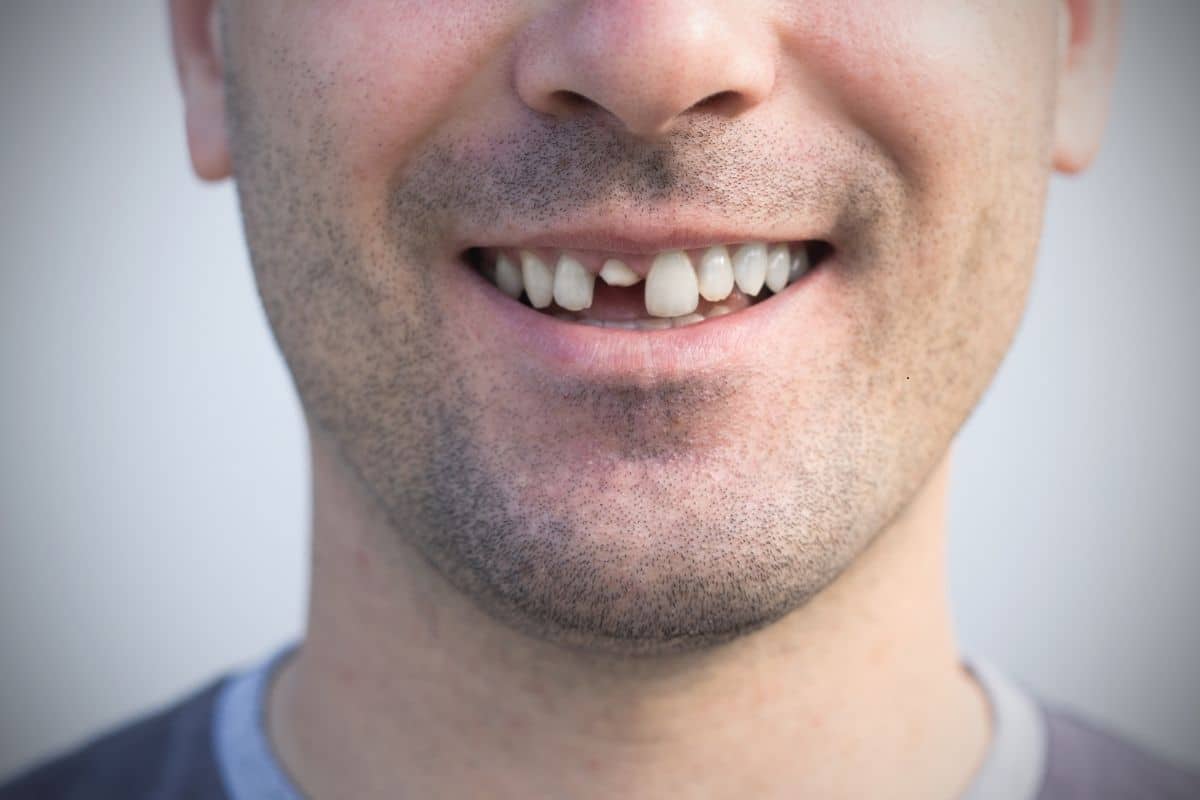
A cracked tooth can be a painful and concerning experience, but the severity of the situation depends on the extent of the damage. Many people wonder whether a cracked tooth qualifies as a dental emergency, and the answer often depends on the specific symptoms and level of discomfort you’re experiencing. In this blog, we’ll explore when a cracked tooth is an emergency and why it’s essential to seek help from a dentist in Chandler if you find yourself in this situation.
What Causes a Cracked Tooth?
There are various reasons why teeth crack, including:
- Chewing on hard items such as ice or nuts
- Impact to the mouth caused by accidents or sports-related injuries
- Grinding teeth during sleep (bruxism)
- Sudden temperature changes (e.g., eating something hot followed by cold)
- Aging, which can naturally weaken tooth enamel
Teeth are strong, but they can still crack under pressure or due to specific behaviors. Once a tooth cracks, it’s vulnerable to further damage, infection, or even tooth loss if left untreated.
When Is a Cracked Tooth an Emergency?
Not all cracked teeth are considered emergencies, but certain signs indicate that immediate care from an emergency dentist is necessary. Here are some common symptoms that suggest a cracked tooth requires urgent attention:
- Severe Pain
If the crack in your tooth is causing intense, unrelenting pain, it is likely affecting the nerve inside the tooth. This can indicate that the crack is deep or severe. The pain may worsen when biting or chewing, and it may come and go, making it hard to pinpoint the exact location of the crack. If you are experiencing severe discomfort, it’s time to contact an emergency dentist for evaluation and treatment. - Sensitivity to Temperature
Sensitivity to hot and cold foods or beverages is a common sign that a tooth’s inner structure has been exposed. If the crack extends into the deeper layers of the tooth, hot or cold substances can trigger sharp pain. This level of sensitivity requires immediate attention, as it indicates that the tooth is compromised and could worsen without treatment. - Swelling or Infection
A cracked tooth can sometimes lead to infection if bacteria enter the crack and reach the pulp (the soft tissue inside the tooth). Signs of infection include swelling around the tooth, bad breath, a foul taste in your mouth, and even fever in more serious cases. If you suspect your cracked tooth is infected, seek help from an emergency dentist Chandler to prevent the infection from spreading to other areas. - Bleeding or Visible Damage
If the cracked tooth is visibly broken or you notice bleeding around the gum line, it’s crucial to see a dentist immediately. A cracked tooth that causes bleeding likely indicates significant damage that needs to be addressed before it worsens.
What to Do If You Crack a Tooth
If you crack a tooth, the first step is to assess the severity of the situation. If there’s minimal pain or sensitivity, it may not be an immediate emergency, but you should still schedule an appointment with your dentist as soon as possible to prevent further complications.
However, if you’re experiencing pain, swelling, or bleeding, here’s what you should do:
- Rinse Your Mouth
Rinse your mouth gently with warm water to keep the area clean and reduce the risk of infection. This is especially important if the crack has caused bleeding or if the tooth feels particularly sensitive. - Apply a Cold Compress
If you notice swelling, place a cold compress on the outside of your cheek near the affected area. This can help minimize swelling and ease some of the discomfort. - Take Over-the-Counter Pain Relievers
For temporary relief, take over-the-counter pain medications like ibuprofen or acetaminophen. Avoid placing the medication directly on the tooth, as this could irritate the tissue. - Avoid Using the Affected Tooth
To prevent further damage, avoid chewing or biting with the cracked tooth until you can see a dentist. Stick to soft foods and try to use the opposite side of your mouth for chewing. - Contact an Emergency Dentist
For severe cases, it’s critical to reach out to an emergency dentist immediately. They can assess the damage, provide pain relief, and develop a treatment plan to save your tooth.
Treatment Options for a Cracked Tooth
The treatment for a cracked tooth depends on the severity of the crack and how quickly you seek help. Some common treatments provided by an emergency dentist include:
- Dental Bonding
If the crack is minor and only affects the outer layer of the tooth (the enamel), dental bonding may be sufficient. This process involves applying a tooth-colored resin to the affected area to seal the crack and restore the tooth’s appearance. - Dental Crown
For more significant cracks, a dental crown may be necessary. A crown is a cap placed over the tooth to protect it from further damage and restore its function. This treatment is especially common when the crack extends beyond the enamel and into the deeper layers of the tooth. - Root Canal
If the crack has reached the pulp of the tooth and caused infection or nerve damage, a root canal may be required. This procedure involves extracting the damaged pulp, thoroughly cleaning the interior of the tooth, and sealing it to prevent any future infection. After a root canal, a crown is usually placed to strengthen the tooth. - Tooth Extraction
In cases where the crack is too severe and the tooth cannot be saved, an extraction may be necessary. After the tooth is removed, your dentist will discuss options for replacing it, such as a dental implant or bridge.
Preventing a Cracked Tooth
While accidents happen, there are steps you can take to minimize the risk of cracking a tooth:
- Avoid chewing on hard objects like ice, pens, or hard candies.
- Wear a mouthguard when playing sports to protect your teeth from injury.
- Don’t use your teeth as tools to open packages or bite non-food objects.
- Visit your dentist regularly for check-ups to catch any issues before they become serious.
Conclusion
A cracked tooth can range from a minor inconvenience to a serious dental emergency, depending on the extent of the damage. If you experience severe pain, sensitivity, or swelling, it’s crucial to seek care from Shumway Dental Care Chandler to prevent further complications and save your tooth. Remember, prompt treatment is key to minimizing damage and ensuring the best outcome for your oral health.