
 480-824-7778
 Skip to main content
Dentistry encompasses various branches that address both the health and appearance of your teeth. Two of the most common fields are restorative and cosmetic dentistry. While these disciplines often overlap, they have distinct goals and focus areas. Understanding the differences can help you decide which approach best suits your dental needs.
What Is Restorative Dentistry?
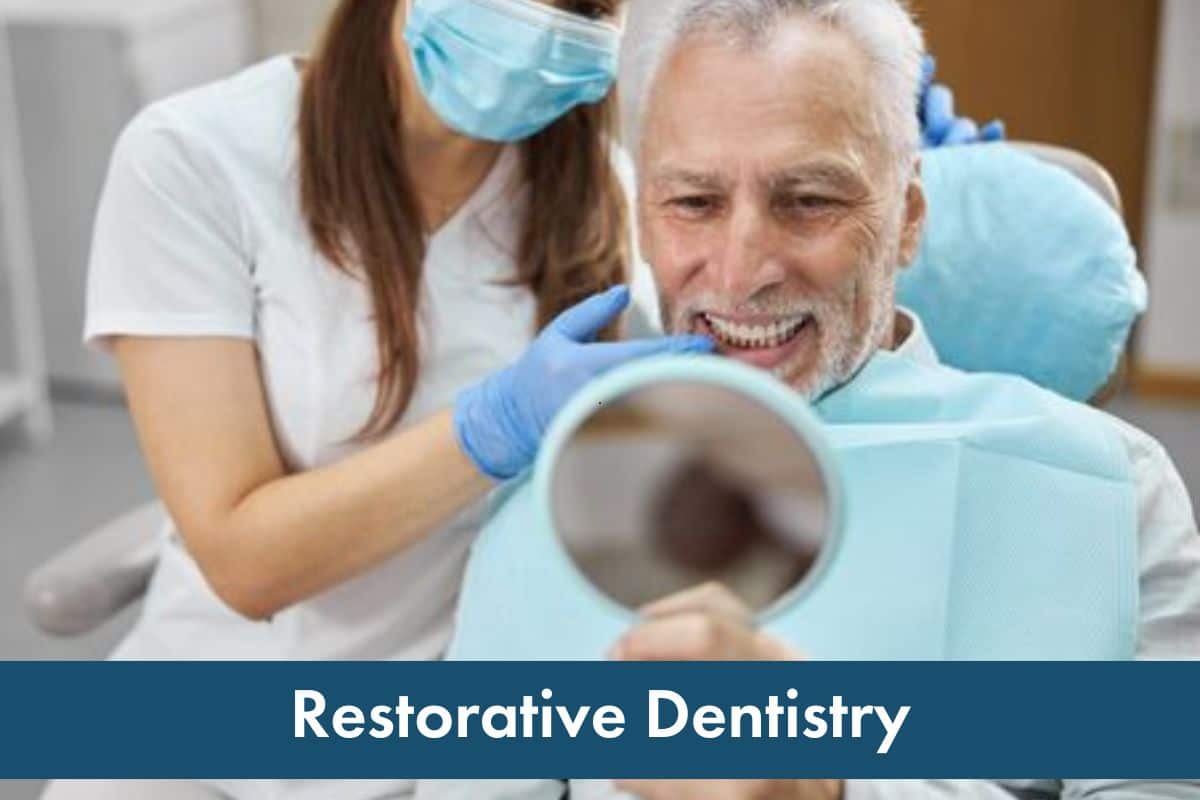
Restorative dentistry aims to repair and restore the functionality of your teeth and gums. Its primary goal is to address oral health issues such as decay, damage, or tooth loss to improve your ability to chew, speak, and maintain overall dental health.
Common Restorative Dentistry Procedures
Fillings: Used to repair cavities and restore the integrity of a tooth.
Crowns: Protect and strengthen weakened or damaged teeth.
Bridges: Replace one or more missing teeth to restore function.
Dentures: A solution for multiple missing teeth that restores both function and aesthetics.
Dental Implants: Permanent replacements for missing teeth that provide durability and stability.
Root Canal Therapy: Removes infection from a tooth, preserving its structure and function.
Restorative dentistry is often essential to prevent further complications, such as gum disease or jawbone loss, and to maintain overall oral health.
What Is Cosmetic Dentistry?
Cosmetic dentistry focuses on improving the appearance of your teeth, gums, and smile. While some cosmetic procedures may also enhance functionality, their primary aim is aesthetics.
Common Cosmetic Dentistry Procedures
Teeth Whitening: Brightens discolored or stained teeth for a radiant smile.
Veneers: Thin shells placed over teeth to correct imperfections like chips or discoloration.
Bonding: Repairs minor cosmetic issues, such as small cracks or gaps.
Contouring and Reshaping: Improves the size, shape, or length of teeth for a balanced appearance.
Invisalign or Braces: Straightens teeth for a more attractive and symmetrical smile.
Cosmetic dentistry is ideal for individuals seeking to enhance their smile and boost their confidence.
Key Differences Between Restorative and Cosmetic Dentistry
The fundamental difference lies in their goals. Restorative dentistry focuses on function and oral health, while cosmetic dentistry prioritizes the appearance of your smile.
Goals of Restorative Dentistry
Repair damaged or decayed teeth.
Restore functionality for chewing and speaking.
Address oral health problems to prevent further complications.
Goals of Cosmetic Dentistry
Improve the aesthetics of your teeth and gums.
Enhance the overall appearance of your smile.
Boost self-confidence by creating a more attractive smile.
Another distinction is that restorative treatments are often medically necessary and may be covered by insurance, while cosmetic procedures are elective and usually not covered.
Can a Procedure Be Both Restorative and Cosmetic?
Yes! Many dental procedures provide both restorative and cosmetic benefits. For instance:
Dental Crowns: While they protect and restore functionality to a damaged tooth, they can also improve its appearance.
Dental Implants: These restore missing teeth and enhance the aesthetics of your smile.
Braces or Invisalign: Straightens teeth to improve both function and appearance.
A skilled dentist can combine restorative and cosmetic techniques to provide comprehensive results, addressing both health and aesthetic concerns.
Which Option Is Right for You?
The choice between restorative and cosmetic dentistry depends on your needs and goals:
Consider Restorative Dentistry If:
You have decayed, damaged, or missing teeth.
You experience difficulty chewing or speaking.
You’re dealing with pain or sensitivity caused by oral health issues.
Consider Cosmetic Dentistry If:
Your teeth are healthy but have aesthetic imperfections like discoloration, gaps, or chips.
You want to enhance the overall look of your smile.
You’re preparing for a special event or want a confidence boost.
The Role of Your Dentist
Whether you need restorative or cosmetic dentistry-or a combination of both-it’s essential to consult a dentist. They will assess your oral health, discuss your concerns, and recommend the best course of action to meet your needs.
Conclusion
Restorative and cosmetic dentistry serve different but complementary purposes. Restorative dentistry prioritizes oral health and functionality, while cosmetic dentistry focuses on aesthetics. Both are essential in their own right and, together, can help you achieve a smile that is not only healthy but also beautiful.
If you’re unsure which type of dentistry is right for you, schedule a consultation with Shumway Dental Care Chandler. They can guide you toward the treatments that will best enhance your oral health and confidence.
FAQs
-
What is the difference between restorative dentistry and cosmetic dentistry?
Restorative dentistry focuses on repairing damaged or missing teeth to restore proper function and oral health, while cosmetic dentistry primarily improves the appearance of your smile, such as whitening or reshaping teeth. -
Which treatments are considered restorative dentistry?
Common restorative treatments include dental fillings, crowns, bridges, dental implants, and root canal therapy. These procedures help repair teeth and restore chewing ability. -
What procedures fall under cosmetic dentistry?
Cosmetic dentistry includes treatments like teeth whitening, veneers, dental bonding, smile makeovers, and Invisalign, all designed to enhance the appearance of your teeth and smile. -
Can a dental treatment be both restorative and cosmetic?
Yes. Some procedures, such as dental crowns, implants, and bonding, can improve both the function and appearance of your teeth, making them both restorative and cosmetic. -
How do I know if I need restorative or cosmetic dentistry?
If you have damaged, decayed, or missing teeth, restorative dentistry is usually recommended. If your concern is mainly about improving the look of your smile, cosmetic dentistry may be the best option. -
Does dental insurance cover restorative and cosmetic dentistry?
Most dental insurance plans cover restorative treatments because they are medically necessary. Cosmetic procedures are often considered elective and may not be fully covered.