
 480-824-7778
 Skip to main content
Routine dental cleanings are one of the most important things a person can do to maintain a healthy and long-lasting smile and oral health. It’s beyond just brushing and flossing at home, offering deeper care to prevent a variety of dental problems. If you are looking for a dentist in Chandler, then having a routine cleaning should be the most established part of your dental care plan.
The Importance of Regular Dental Visits
The dental cleaning isn’t merely to keep your teeth bright and white. It eliminates plaque and tartar that builds up on your teeth over time. Brushing and flossing help keep plaque at bay; however, professional cleanings can reach areas that are hard to access and eliminate plaque. If plaque is not regularly removed, it will harden into tartar that can only be removed by a dental professional.
Prevention of Tooth Decay and Gum Disease
Cavities and gum diseases have been among the most common problems addressed by dentists. A routine cleaning at a Chandler-based dentist will help curb these conditions by removing harmful bacteria that cause cavities and gingivitis. Gum disease, or periodontal disease, begins with gingivitis and can lead to worse and worse stages if it isn’t treated, eventually leading to tooth loss.
Your dentist or dental hygienist, as always, will check on you during a cleaning for early signs of gum disease, as well as what you can do to prevent that from occurring. Like other issues, catching them early makes treatment easier and more effective.
Teeth Whitening and Aesthetic Treatment
Routine cleaning should not only improve oral health but also serve aesthetic purposes. Although plaque and tartar can be removed, those teeth will look much cleaner and brighter after a routine cleaning. Most people who visit the dentist in Chandler regularly for cleanings have a pretty smile without needing whitening.
Benefits of Professional Cleaning
Professional cleaning has many significant benefits, such as:
- Prevent Cavities: Regularly cleaning your teeth helps prevent plaque and tartar buildup, which can lead to cavities.
- Prevent Gum Disease: Regular cleanings help combat bacteria that can cause gingivitis or periodontal disease.
- Early Detection: Regular cleanings enable your dentist to identify potential issues, such as cavities or gum disease, in their early stages, when they are easier to treat and manage.
- Fresh Breath: Plaque and tartar can contribute to bad breath, but regular cleanings help keep your breath fresh.
- Bright Smile: A routine clean prevents surface staining to achieve a whiter, brighter smile.
Remember: These benefits are more effective when coupled with good at-home care, to emphasize the importance of both professional and personal hygiene.
How Often Should You Get a Cleaning?
The American Dental Association (ADA) recommends visiting your dentist for a cleaning at least every six months. Some people may need to come in for cleanings sooner than that. Your dentist will be able to determine the best schedule for you regarding cleanings, tailored to your specific needs. For example, if you have gum disease or other conditions, more regular dental visits may be necessary to keep your health optimal.
What to Expect at Routine Cleaning
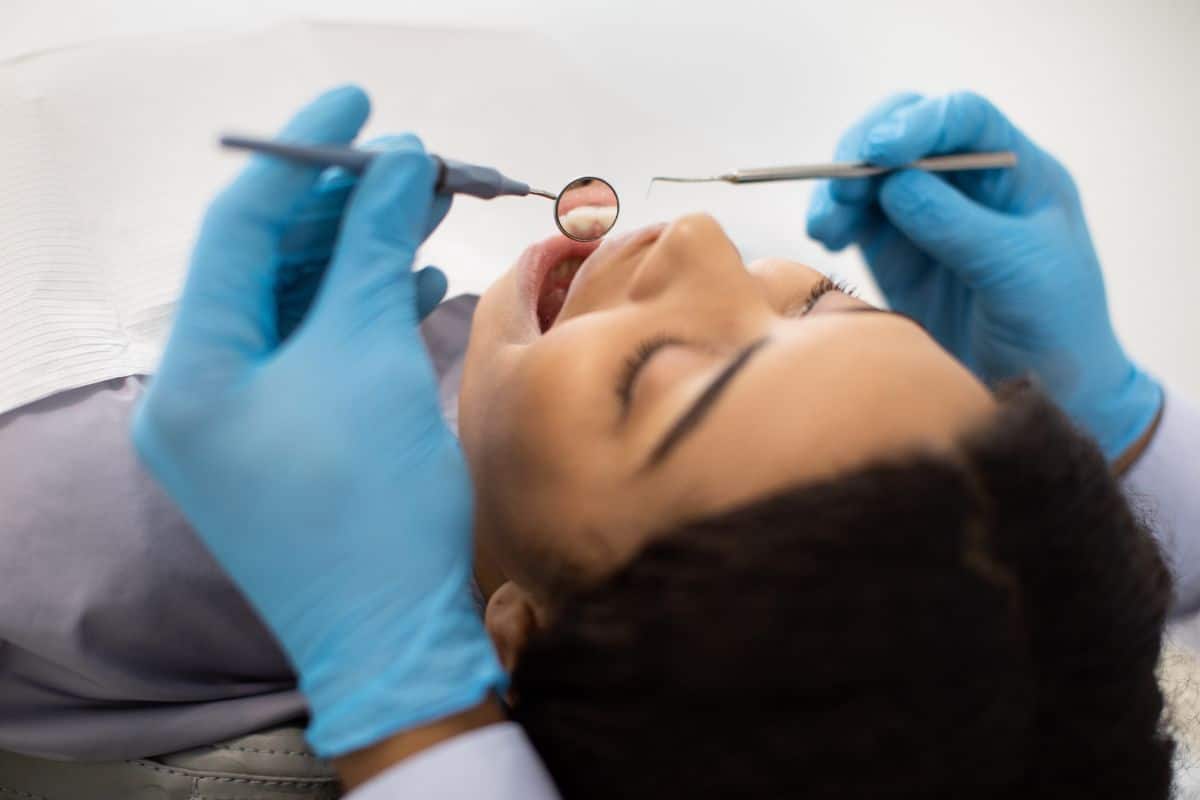
A professional cleaning is typically a straightforward and comfortable procedure. Here’s what you can expect during your appointment:
- Examination: First, the dentist in Chandler will listen to your concerns and examine your teeth and gums to identify signs of potential problems, including cavities and gum disease.
- Removal of plaque and tartar: Using specialized tools, the hygienist will gently remove plaque and tartar from your teeth, including below the gumline.
- Polishing: The teeth will then be polished with a gritty paste to leave them nice and smooth and shiny once all the plaque and tartar have been removed.
- Fluoride treatment: Most often, fluoride treatment is administered at the end to strengthen teeth and prevent cavities.
Most of the time, routine cleanings are quick and straightforward; however, it is essential to remember that they play a crucial role in maintaining long-term dental health.
Note: If you feel anxious about the cleaning, don’t hesitate to let your dental team know—your comfort is our priority.
Routine Cleanings Promote Long-Term Oral Health
Routine dental cleaning is a simple method of preserving your smile: it helps prevent disease in the teeth and gums, as well as other oral problems, while keeping teeth looking clean, bright, and shiny. If you need your next cleaning or haven’t been in for a while, contact Shumway Dental Care Chandler to schedule a dental cleaning appointment. The team at our clinic is dedicated to offering a relaxing and inviting environment where you will feel comfortable and confident in the dental care you receive.
Schedule Your Next Cleaning with Us
Contact us at Shumway Dental Care Chandler today to book your next cleaning and take the next step in maintaining a healthy, confident smile.
FAQs About Routine Dental Cleanings
- How many times do I need to get a dental cleaning?
Typically, dentists recommend getting a cleaning every six months; however, this schedule largely depends on the state of your oral health. The dentist will determine the schedule that best suits you.
- Does dental cleaning hurt?
A dental cleaning is a non-invasive procedure that generally involves no pain. In cases of gum sensitivity, you may experience slight discomfort, but the process is usually quick and easy.
- What happens if I don’t get regular cleanings?
Regular cleanings help prevent plaque buildup, which can contribute to maintaining healthy teeth and gums. Staying on top of your cleanings supports overall oral health and helps keep your smile in excellent condition.
- How long does a routine cleaning take?
The length of a dental cleaning session typically ranges from 30 to 60 minutes, depending on the patient’s oral hygiene and health.
- Can a cleaning prevent gum disease?
Absolutely! One of the primary reasons for cleanings is to prevent gum disease, as the practice removes plaque and tartar that cause inflammation of the gums and, ultimately, infection. In addition to that, as always, an early visit will prevent serious complications.