
 480-824-7778
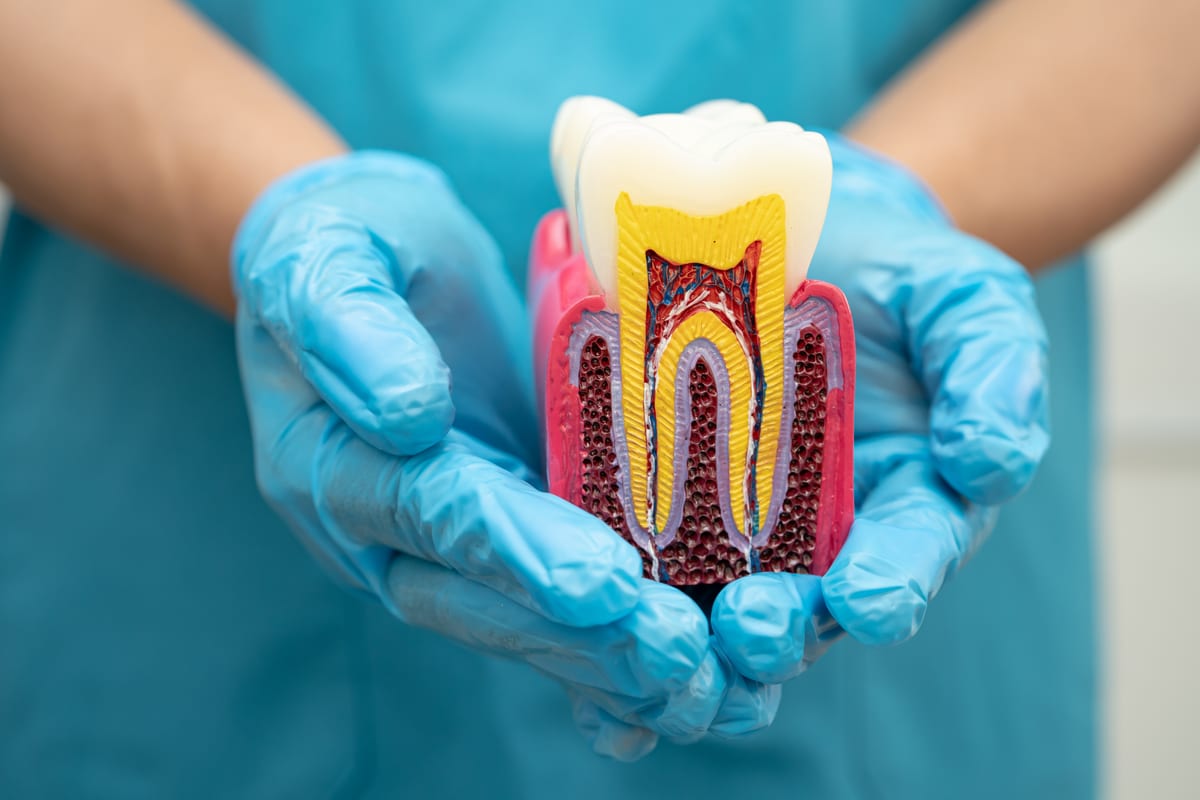
Few dental procedures carry more fear than a root canal. Many Chandler patients put off treatment because they expect unbearable pain. The truth about does a root canal really hurt and what modern anesthesia actually prevents in Chandler may surprise you. Today’s techniques are remarkably effective — and most patients say the procedure feels no worse than a routine filling.
Dr. Andrew Shumway at Shumway Dental Care Chandler wants you to have accurate information before your appointment. Understanding what actually happens during treatment removes fear and helps you make confident decisions about your oral health.
Why Root Canals Have a Bad Reputation — and Why That Reputation Is Outdated
The root canal’s scary reputation comes from decades-old dentistry. Early techniques used limited anesthesia and less precise instruments. Patients from past generations genuinely did experience significant discomfort. That story has been passed down — but it no longer reflects modern care.
Today, root canal therapy is performed with advanced local anesthetics, refined tools, and a much deeper understanding of pain management. The procedure itself does not cause pain. In fact, the infection or decay that makes a root canal necessary is usually what causes pain in the first place.
By the time the treatment begins, your nerve tissue is thoroughly numbed. Most patients feel pressure and vibration — not sharp pain. Knowing the difference between sensation and pain helps set realistic expectations before you sit in the chair.
What Modern Anesthesia Actually Does During a Root Canal in Chandler
Local anesthesia is the cornerstone of comfortable root canal treatment. Dr. Shumway uses modern anesthetic formulas that work faster and last longer than older options. The injection itself is given slowly and carefully to minimize any initial sting.
Once anesthesia takes effect, the nerves in the target tooth stop transmitting pain signals. You remain fully awake and aware throughout the procedure. However, the sensation of sharp, throbbing, or burning pain is blocked entirely by the anesthetic.
Here is what modern anesthesia actually prevents during your root canal:
- Sharp or stabbing pain from instrument contact
- Burning or throbbing sensations during nerve removal
- Acute sensitivity when the canals are cleaned and shaped
- Discomfort when the tooth is sealed and filled
If you feel any unexpected discomfort, simply raise your hand. Dr. Shumway will pause immediately and add more anesthetic. You are always in control of your comfort level during treatment.
What You Actually Feel During the Procedure
Patients often confuse sensation with pain. Even with complete numbness, you will still notice certain things during treatment. Understanding these sensations in advance prevents unnecessary alarm.
You will likely feel:
- Pressure when instruments enter the tooth
- Mild vibration from the dental drill or file
- A sense of movement inside the tooth as canals are cleaned
- Brief moments of jaw fatigue from keeping your mouth open
None of these sensations are painful. They are simply the physical reality of having dental work performed. Most patients describe the experience as more boring than painful — the procedure typically takes 60 to 90 minutes from start to finish.
For patients with severe dental anxiety, Dr. Shumway can discuss additional comfort options. Your emotional comfort matters just as much as your physical comfort throughout the process.
How Recovery Actually Goes After a Root Canal
The honest answer is that some soreness after a root canal is normal and expected. Once the anesthesia wears off, the treated area may feel tender for two to four days. This is your body’s natural healing response — not a sign that something went wrong.
Most patients manage post-procedure soreness with over-the-counter pain relievers. Ibuprofen or acetaminophen taken on a regular schedule during the first 48 hours works well for the majority of people. Prescription-strength medication is rarely necessary for routine cases.
You can expect these general recovery milestones:
- Day 1: Some numbness lingers, eat soft foods, avoid chewing on the treated side
- Days 2–3: Mild soreness or sensitivity is common, manage with over-the-counter pain relief
- Days 4–7: Most discomfort resolves, normal eating typically resumes
- One to two weeks: Full recovery for most patients, a crown may be placed to protect the tooth
Swelling or significant pain beyond the first few days is uncommon. If you experience those symptoms, contact our office promptly so Dr. Shumway can evaluate your healing.
How Root Canal Treatment Fits Into Your Overall Dental Health
A root canal is a form of Restorative Dentistry Chandler designed to save a natural tooth. Preserving your original tooth is almost always preferable to extraction. Natural teeth support jaw bone density, maintain spacing, and function better than most replacement options.
After your root canal, Dr. Shumway will typically recommend placing a dental crown over the treated tooth. This protects the remaining structure and restores full chewing function. The crown also improves the appearance of the tooth, which matters in visible areas of your smile.
If you are also interested in improving the overall look of your smile, Cosmetic Dentistry Chandler services like veneers and teeth whitening can complement your restorative work beautifully. Healthy teeth and a confident smile go hand in hand.
Why Delaying Treatment Makes Pain Worse — Not Better
Many patients delay root canal treatment hoping the pain will go away on its own. Dental infections do not resolve without professional care. The longer you wait, the more the infection spreads and the more intense the pain becomes.
Severe infections can also make anesthesia less effective. Highly acidic infected tissue partially neutralizes local anesthetics. Treating the tooth earlier — when the infection is less advanced — almost always results in easier numbing and a more comfortable procedure.
Delaying also increases the risk that the tooth cannot be saved at all. A tooth that requires extraction means more treatment, more recovery, and potentially a dental implant or bridge to replace it. Early intervention protects both your health and your comfort.
Conclusion: Modern Root Canals Are Comfortable — Here Is What to Expect
The fear surrounding root canals is understandable but largely based on outdated information. Modern anesthesia prevents the pain patients dread most. What you will actually feel is manageable pressure and mild post-procedure soreness — not the severe experience many people expect. Dr. Andrew Shumway and the team at Shumway Dental Care Chandler are committed to making every visit as comfortable as possible. Book Now to schedule your appointment with our team.
Frequently Asked Questions
Does a root canal hurt while it is happening?
No — with proper local anesthesia, you should not feel sharp pain during the procedure. You may notice pressure or vibration, but these sensations are very different from pain. If you feel any discomfort, your dentist can add more anesthetic immediately.
How long does root canal soreness last after the procedure?
Most patients experience mild soreness for two to four days after treatment. Over-the-counter pain relievers typically manage this well. Significant pain lasting longer than a week is uncommon and warrants a follow-up call to your dental office.
Is the shot for root canal anesthesia painful?
The injection is often the most anticipated discomfort. Dr. Shumway uses a slow, careful technique to minimize any sting. Many patients say the injection feels like mild pressure rather than a sharp pain, and it passes within seconds.
Can I drive myself home after a root canal?
Yes, in most cases. Root canal treatment uses local anesthesia only, so you remain fully alert throughout the procedure. Unless you have been given additional sedation medication, you are generally safe to drive yourself home afterward.
What happens if I wait too long to get a root canal?
Delaying treatment allows the infection to spread, which increases pain and may make anesthesia less effective. It also raises the risk that the tooth cannot be saved at all. Treating the problem early makes the procedure easier and more comfortable for most patients.