
 480-824-7778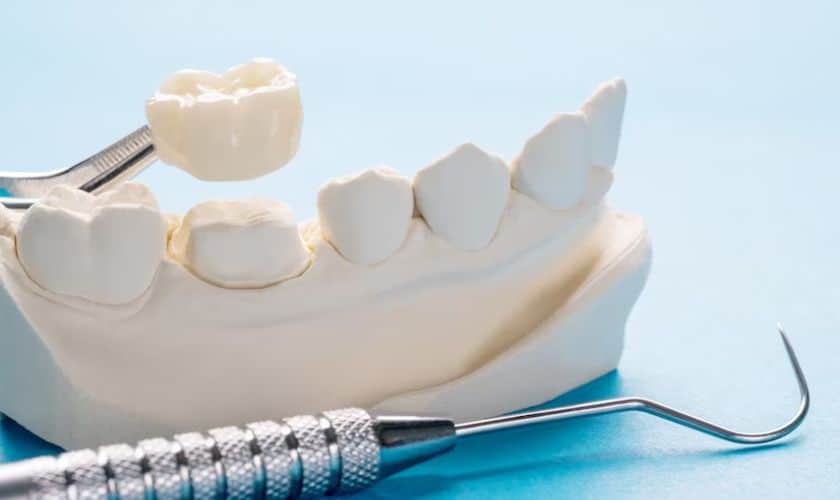
When it comes to maintaining a healthy and beautiful smile, we all want the best dental care possible. And sometimes, that means considering alternative treatments to achieve optimal oral health. One such option that you may have heard of is dental crowns. These versatile restorations offer more than just cosmetic benefits – they can also provide strength and protection for damaged or weakened teeth. In this blog post, we will dive into what dental crowns are, why you might need them instead of fillings, and how they can help you regain confidence in your smile. So sit back, relax, and let’s explore the world of dental crowns together!
What are Dental Crowns?
Dental crowns are a popular restorative dental treatment that can help improve the appearance and functionality of your teeth. A dental crown is essentially a cap that is placed over a damaged or decayed tooth, restoring its shape, size, strength, and overall appearance.
These crowns are custom-made to match the color and shape of your existing teeth, ensuring a natural-looking result. They are typically made from materials such as porcelain or ceramic, which not only mimic the look of real teeth but also provide durability.
The process of getting a dental crown involves several steps. First, any decay or damage on the affected tooth is removed. Then, the remaining tooth structure is reshaped to create room for the crown. An impression of your tooth is taken to ensure an accurate fit for the crown. In some cases, a temporary crown may be placed while you wait for your permanent one to be created in a dental lab.
Once ready, your dentist Chandler will place the permanent crown onto your tooth using specialized adhesive cement. The result? A strong and natural-looking restoration that blends seamlessly with your smile.
Dental crowns offer numerous benefits beyond just aesthetics. They can restore proper function to damaged teeth by providing support and protection against further decay or breakage. Whether you have cracked teeth due to injury or severe cavities that cannot be effectively treated with fillings alone – dental crowns may be exactly what you need!
Why You Might Need Dental Crowns
If you’ve been experiencing dental problems, such as cracked or severely decayed teeth, your dentist may recommend dental crowns to restore and protect your damaged teeth. Dental crowns are tooth-shaped caps that are placed over a weakened tooth to improve its strength, shape, and appearance. But why might you need dental crowns instead of fillings? Let’s explore some reasons.
One common reason for needing a dental crown is when a tooth has extensive decay or damage that cannot be effectively treated with a filling alone. In these cases, the tooth structure may be too weak to support a filling and requires the added protection and reinforcement provided by a crown.
Another situation where dental crowns might be necessary is after undergoing root canal therapy. A root canal removes infected pulp from inside the tooth and can leave it weakened and vulnerable to further damage. A crown helps restore the strength of the treated tooth while also preventing fractures or breakage.
Additionally, if you have large cavities that encompass more than half of your natural tooth structure, a regular filling may not provide sufficient coverage or durability. Dental crowns offer better support for these types of extensive cavities by fully encapsulating the remaining healthy portion of the affected tooth.
Furthermore, if you have misshapen or discolored teeth that affect your smile’s aesthetics, dental crowns can help enhance their appearance. Crowns can be color-matched to blend seamlessly with your natural teeth while providing improved shape and alignment.
There are several situations where dental crowns may be necessary over fillings – extensive decay or damage beyond what fillings can address effectively; post-root canal treatment; large cavities requiring more coverage; and cosmetic improvements for misshapen or discolored teeth. Consulting with your dentist will help determine whether dental crowning is the best course of action for maintaining optimal oral health.
Fillings vs. Crowns
When it comes to dental restorations, fillings, and crowns are two of the most commonly used options. While both serve the purpose of restoring damaged teeth, they differ in terms of their application and durability.
Fillings are typically used for small cavities or areas of tooth decay. The procedure involves removing the decayed portion of the tooth and filling it with a material such as composite resin or amalgam. Fillings are a quick and cost-effective solution for minor damage.
On the other hand, dental crowns are used when larger portions of the tooth have been damaged or lost. A crown is essentially a cap that covers the entire visible portion of the tooth above the gum line. It provides strength, protection, and aesthetics to a compromised tooth.
The choice between fillings and crowns depends on several factors, such as:
- Size: If you have a large cavity or significant damage to your tooth structure, a crown may be necessary to provide adequate support and prevent further deterioration.
- Strength: Crowns offer superior strength compared to fillings, making them suitable for teeth that undergo heavy chewing forces or require additional reinforcement after root canal treatment.
- Cosmetic appearance: While fillings can blend in with natural teeth, they may not be ideal for front teeth, where aesthetics matter more. Crowns can be customized to match your natural teeth’s color and shape seamlessly.
- Longevity: Dental crowns generally last longer than fillings due to their durable materials (such as porcelain or metal alloys). They provide better long-term protection against fractures and wear.
It’s important to consult with your dentist, who will assess your specific situation before recommending either option—filling vs. crown—based on your needs/preferences along with clinical considerations like oral hygiene habits and overall oral health.
Why you might need a dental crown instead of dental fillings
When it comes to dental restorations, we often think of fillings as the go-to solution for addressing cavities. However, there are instances where a dental crown may be a better option. Dental crowns, also known as caps, are custom-made prosthetic devices that cover and protect damaged or decayed teeth.
One situation where a dental crown might be recommended is when a tooth has extensive decay or damage that cannot be adequately repaired with a filling alone. In these cases, placing a crown can provide added support and strength to the tooth, preventing further deterioration.
Another reason you might need a dental crown instead of a filling is if you have undergone root canal therapy. After this procedure, the affected tooth may become weak and vulnerable to fractures. A crown can help strengthen and protect the tooth from future damage.
Additionally, if you have a cracked or broken tooth that cannot be effectively restored with a filling due to its size or location, your dentist may suggest a dental crown as the best option for restoring functionality and aesthetics.
It’s important to note that while fillings are more conservative in terms of preserving natural tooth structure, there are situations where their durability and longevity may not suffice. Dental crowns offer superior protection in cases of severe decay or damage.
In conclusion (as per writing instructions), while fillings have their place in treating cavities, there are circumstances where dental crowns provide greater benefits in terms of strength and protection for your teeth. It is always best to consult with your dentist, who will assess your specific needs before recommending the most appropriate treatment option for you.
The bottom line
Dental crowns can be a beneficial treatment option for certain dental problems. While fillings are suitable for small cavities and minor tooth damage, dental crowns provide a more robust solution for larger cavities, extensive decay, weakened teeth, or cosmetic concerns.
By covering the entire tooth surface, dental crowns offer enhanced protection and durability. They are custom-made to match the shape and color of your natural teeth, ensuring a seamless blend with your smile.
If you’re experiencing any of the situations mentioned in this article, such as significant tooth decay or cracks – it’s important to consult with your dentist. They will assess your oral health condition and recommend the most appropriate treatment option for you.
Remember that prevention is always better than cure when it comes to maintaining good oral health. Regular visits to your dentist, along with proper oral hygiene practices, can help prevent many common dental issues that may require extensive treatments like dental crowns.
The decision between choosing a filling or a crown depends on various factors unique to each individual case. Trusting in the expertise of your dentist is crucial to making an informed decision regarding which option will yield the best results for restoring both function and aesthetics to your smile.
So don’t hesitate! Schedule an appointment at Shumway Dental Care Chandler today if you suspect you may need a dental crown instead of fillings. Your healthy smile awaits!