
 480-824-7778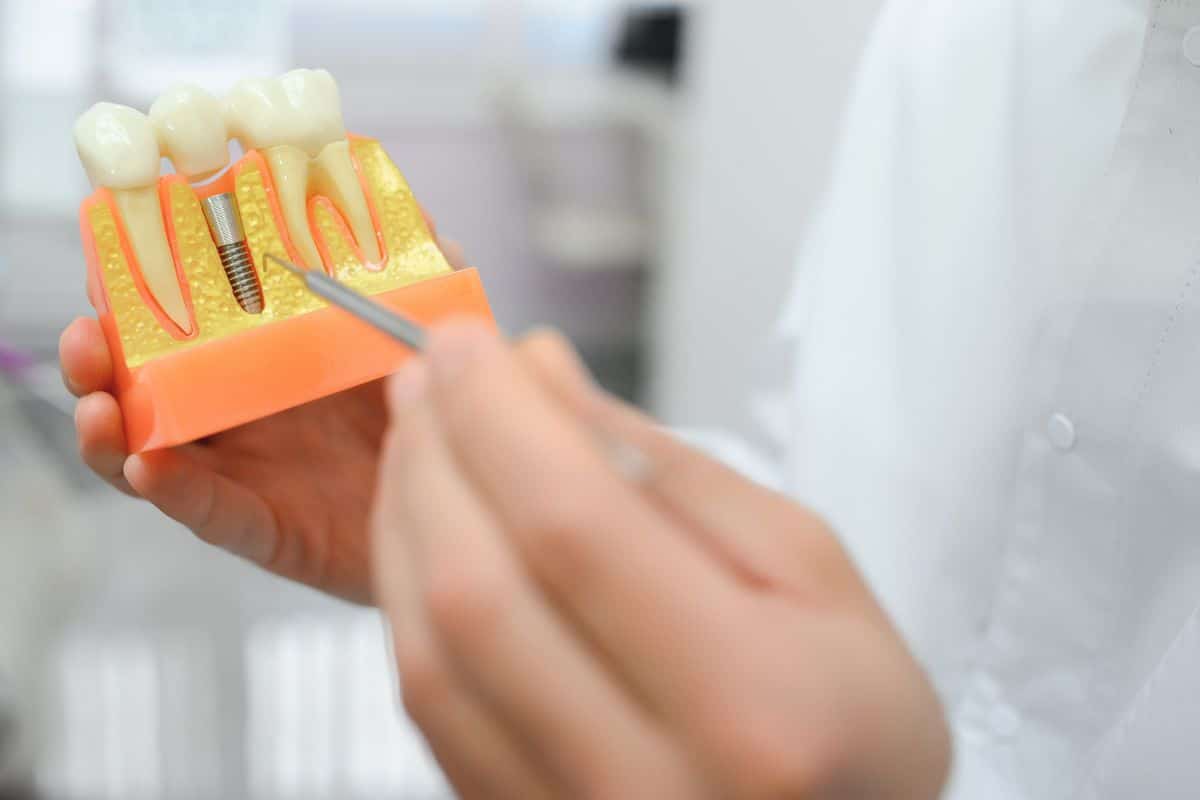
Dental implants are built to last. They look natural, feel secure, and restore daily comfort. Many patients believe implants need less care than natural teeth. That belief often leads to problems. Implants can fail when daily habits are ignored. Good care does not take much time, but it makes a lasting difference.
This guide explains how daily oral care protects dental implants, what habits matter most, and why small steps each day help implants stay strong for years. Patients who understand these basics make better choices and avoid future issues.
Why Dental Implants Still Need Daily Care
Dental implants replace missing teeth, but they still sit in living bone and gum tissue. Plaque can build up around implants just like natural teeth. Bacteria can inflame gums and weaken bone support if not removed. Implants do not decay, but the gums and bone around them can become infected. This condition is called peri-implant disease. It often starts without pain, which makes daily care even more important.
Patients who receive dental implants Chandler providers place are often surprised to learn that implants need the same attention as natural teeth.
How Daily Oral Care Protects Implant Stability
Healthy gums and supporting bone are essential for keeping an implant secure. A consistent oral hygiene routine helps remove plaque before it can contribute to inflammation and infection.
Daily care helps protect:
- Gum health around the implant
- Supporting jawbone
- Implant stability
- Comfort when chewing
- The appearance and function of the implant crown
A few minutes of consistent care each day can help protect the results of your implant treatment for years to come.
Brush Your Teeth Twice a Day
Brushing twice daily is one of the simplest ways to maintain good implant health. Choose a soft-bristled toothbrush and use gentle movements along the gumline.
An electric toothbrush can also be helpful for maintaining consistent cleaning. Focus on all surfaces of the implant crown as well as the surrounding natural teeth.
Avoid brushing too aggressively. Excessive pressure can irritate the gums and may contribute to gum recession.
Floss Around Your Dental Implants Every Day
Flossing is especially important because plaque and food particles can collect between teeth and around implant-supported crowns.
Depending on your dental needs, your dentist may recommend:
- Implant-safe dental floss
- Interdental brushes
- Water flossers
- Other specialized cleaning tools
Clean carefully around the implant and along the gumline. If traditional floss feels difficult to use, ask your dental professional to demonstrate the best technique for your specific implant restoration.
Consider an Antibacterial Mouth Rinse
A dentist-recommended mouth rinse can be a useful addition to brushing and flossing. An alcohol-free rinse may help reduce bacteria and support gum health without causing excessive dryness.
However, mouthwash should complement—not replace—brushing and flossing. If you have specific gum concerns, ask your dentist which rinse is appropriate for you.
Avoid Habits That Can Damage Dental Implants
Certain everyday habits can place unnecessary stress on an implant or its crown.
Try to avoid:
- Chewing ice
- Biting your fingernails
- Chewing pens or other hard objects
- Using your teeth to open packages
- Chewing excessively hard foods
- Clenching or grinding your teeth
If you grind or clench your teeth at night, talk with your dentist about whether a custom night guard could help protect your implant restoration.
Smoking is another important concern. Tobacco use can interfere with healing and negatively affect gum health, which may increase the risk of implant complications.
Choose Foods That Support Oral Health
Your diet also plays a role in maintaining healthy teeth and gums. Limit frequent sugary snacks and sticky foods that can encourage plaque buildup.
Instead, choose a balanced diet that includes:
- Fresh fruits and vegetables
- Lean proteins
- Dairy or other calcium-rich foods
- Nutrient-dense whole foods
- Plenty of water
Staying hydrated can also support saliva production and help wash away food particles throughout the day.
Keep Up With Regular Dental Visits
At-home care is essential, but it cannot replace professional dental care. Regular dental examinations and cleanings allow your dental team to monitor the implant, surrounding gums, bite, and supporting bone.
During routine visits, your dentist may look for:
- Signs of gum inflammation
- Plaque or tartar buildup
- Changes around the implant
- Bite or crown problems
- Bone-level changes when imaging is appropriate
For patients with dental implants Chandler dental professionals can monitor over time, regular visits provide an opportunity to identify concerns early and address them before they become more serious.
Know the Warning Signs of Implant Problems
Implant complications may develop gradually, so knowing the early warning signs is important.
Contact your dental office if you notice:
- Bleeding around an implant
- Persistent redness or swelling
- Tenderness or discomfort
- A bad taste or persistent odor
- Changes in how the implant feels
- Looseness or movement
- Difficulty chewing
Do not wait for significant pain before seeking professional advice. Early evaluation can help determine what is causing the problem and whether treatment is needed.
How Long Can Dental Implants Last With Proper Care?
Dental implants can provide long-term tooth replacement, and many can remain functional for decades with appropriate care. Their longevity depends on several factors, including oral hygiene, gum and bone health, lifestyle habits, bite forces, overall dental health, and regular professional monitoring.
The implant itself may remain stable for many years, while the crown or other restoration attached to it may eventually require repair or replacement because of normal wear.
Consistent care helps protect the biological foundation around the implant and supports its long-term function.
Common Myths About Dental Implant Care
Myth: Dental implants do not need to be brushed.
Fact: Implants require regular brushing to remove plaque from the crown and surrounding gumline.
Myth: Flossing is unnecessary with implants.
Fact: Cleaning between teeth and around implant restorations is important for controlling plaque and protecting the surrounding tissues.
Myth: Brushing harder cleans implants better.
Fact: Gentle, thorough brushing is preferable to aggressive pressure.
Myth: Dental implants never need professional care.
Fact: Regular dental examinations and professional cleanings help monitor implant and gum health.
Understanding these facts can make daily implant care simpler and more effective.
Build a Simple Dental Implant Care Routine
A practical daily routine can include:
- Brush twice a day with a soft-bristled toothbrush.
- Clean between your teeth and around implants once a day.
- Use a dentist-recommended mouth rinse when appropriate.
- Avoid smoking and tobacco products.
- Avoid habits that put excessive force on your implant.
- Drink plenty of water and maintain a balanced diet.
- Attend regular dental examinations and cleanings.
Consistency matters more than making your routine complicated. A few minutes of care each day can help protect years of dental treatment.
Frequently Asked Questions
How often should I clean my dental implants at home?
Brush twice a day and clean between your teeth and around your implant at least once daily. Your dentist may recommend additional cleaning based on your individual needs.
Can dental implants get infected?
Yes. While an implant cannot develop tooth decay, the gums and bone surrounding it can become infected. Good oral hygiene and regular professional care help reduce this risk.
What toothbrush is best for dental implants?
A soft-bristled manual or electric toothbrush can work well. The key is using gentle pressure and thoroughly cleaning around the gumline and implant restoration.
Do dental implants need professional cleanings?
Yes. Professional cleanings remove hardened deposits that cannot be removed effectively with normal brushing and flossing. Regular examinations also allow your dentist to monitor the health of the tissues surrounding the implant.
Can I eat normally with dental implants?
Most patients can enjoy a wide range of foods once their implant treatment has fully healed. However, extremely hard foods and habits such as chewing ice can damage the restoration or place excessive stress on the implant.
How long can dental implants last?
With proper oral hygiene, healthy supporting tissues, appropriate dental care, and regular professional monitoring, dental implants can remain functional for many years and potentially decades.
Does smoking affect dental implants?
Yes. Smoking can negatively affect healing and gum health and may increase the risk of implant complications. Talk with your dental professional about ways to protect your implant health if you use tobacco.
Final Thoughts
Dental implants offer long-term comfort and confidence, but they depend on daily care. Implants are not maintenance-free. They rely on healthy gums, strong bone, and consistent habits. Simple routines protect your smile and your investment. Brushing, flossing, and regular checkups work together to extend implant life. Patients who stay informed make better choices and avoid avoidable problems. Shumway Dental Care Chandler patients trust emphasizes clear guidance and steady care. When daily habits are strong, dental implants Chandler residents depend on can remain secure and functional for many years. If you have questions about implant care or want help building a routine, a professional conversation can bring peace of mind and lasting results.
Ready to protect your dental implants and maintain your oral health? Book now to schedule an appointment and get personalized guidance for your implant care.